
Sustainable eating is more than just a trend: it’s a lifestyle that benefits both your health and the planet. Every bite you take has an impact on the environment, from the resources used to grow food, to the way it’s transported and prepared. Our choices in the kitchen can help shape a more sustainable future!

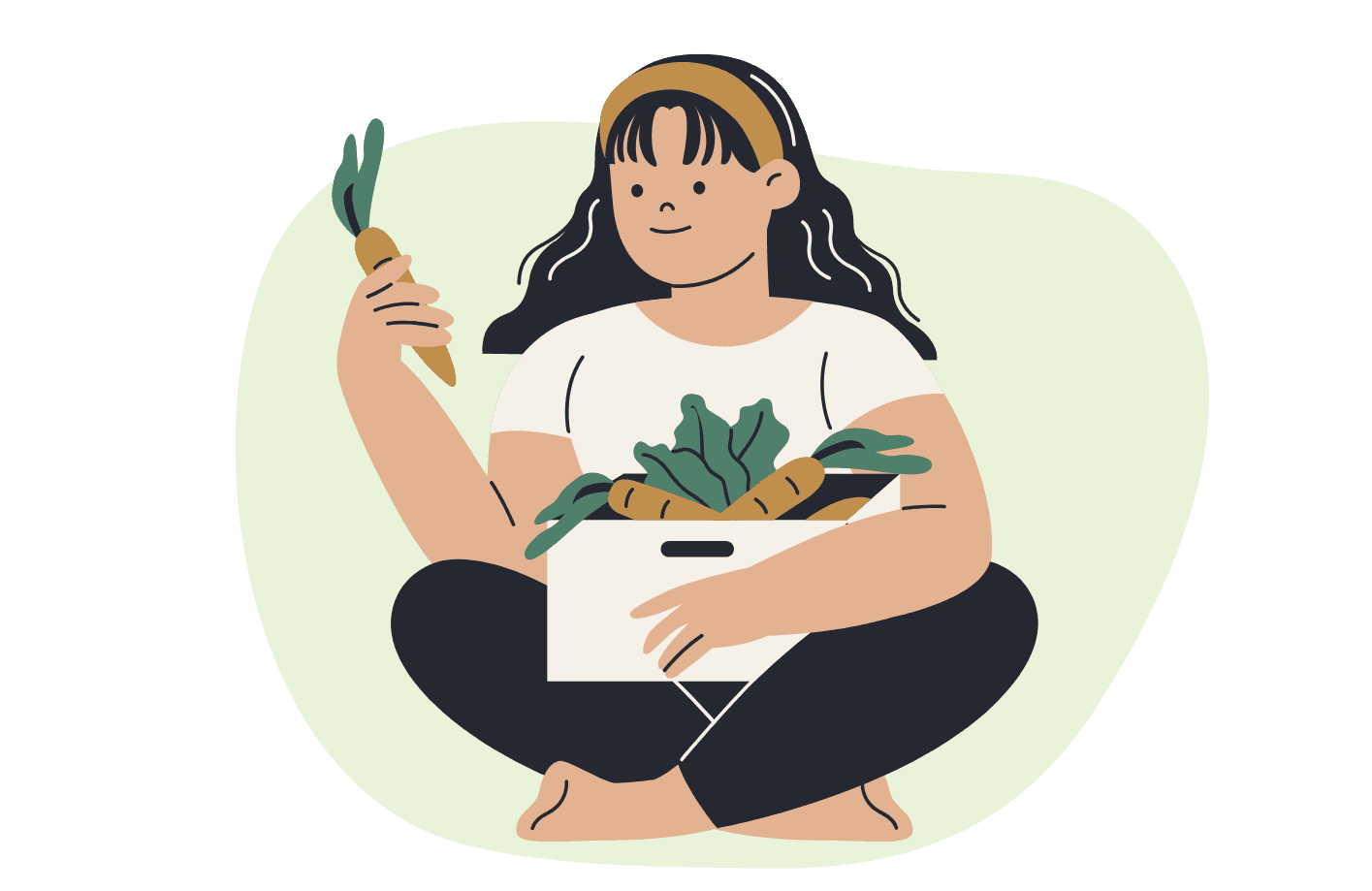
Eating sustainably means choosing foods that are good for you, society and the environment. The goal is to reduce the carbon footprint of your meals, conserve natural resources, and support systems that prioritise fairness for workers and animals.

Meat production is one of the largest contributors of greenhouse gas emissions, so reducing meat consumption can significantly lower your carbon footprint. Try incorporating more plant-based proteins such as beans, lentils, tofu and quinoa into your diet.
Locally sourced and seasonal produce often has a smaller environmental impact. It requires fewer resources to grow, transport, and store, while supporting local farmers.
Organic farming practices use fewer synthetic chemicals, promote biodiversity, and often focus on soil health, which contributes to long-term sustainability.
Minimize your consumption of highly processed foods, which are often wrapped in single-use packaging. Choose whole foods and buy in bulk, when possible, to reduce plastic waste.
Eating mindfully means enjoying each bite and reducing overeating, which leads to food waste. Slowing down your meals helps you better appreciate the flavours and avoid overindulging. Start with smaller portions to ensure you’re not throwing away uneaten food – you can always go back for seconds if you’re still hungry.
1. Plan your meals – Before heading to the store, plan out your meals for the week. This reduces impulse buying and ensures that you’re only purchasing what you need.
2. Proper food storage – Storing food correctly can extend its life and help reduce spoilage. For example:
3. Use the whole ingredient – Get creative with your ingredients and use vegetable peels and stems for stocks or soups. Many foods considered scraps are perfectly edible and nutritious
4. Embrace leftovers – Transform leftovers into new meals rather than discarding them. For example:
5. Compost what you can’t eat – Composting food scraps helps reduce the amount of waste sent to landfills, where food decomposes and releases methane, a potent greenhouse gas. Composting turns food waste into nutrient-rich soil, which can be used for gardening.
Sustainable eating and reducing food waste are key steps towards protecting the planet and its resources. By making small changes in how we shop, cook, and eat, we can reduce our impact on the environment while enjoying healthier, more nutritious meals.
Let’s take the challenge – starting today, let’s reduce our food waste and move towards a more sustainable future, one meal at a time!
